By: News Desk 92Pavilion
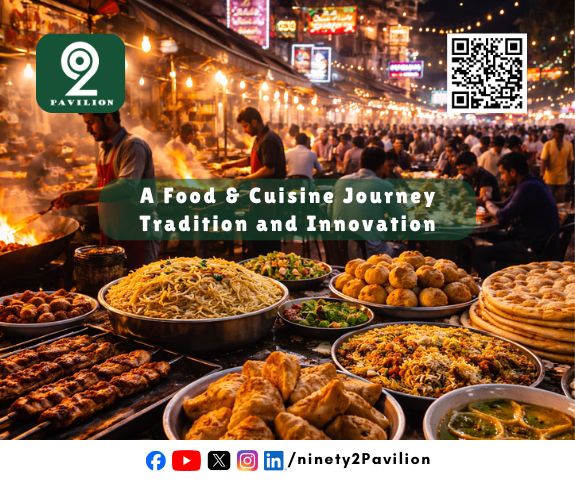
Pakistan’s food culture is a celebration of diversity, blending flavors from South Asia, Central Asia, and the Middle East. From aromatic biryanis and spicy curries to savory kebabs and sweet desserts, Pakistani cuisine is renowned for its richness and variety.
Modern restaurants, cafes, and food courts are flourishing across cities, offering both traditional and contemporary dining experiences. Food festivals and cultural events are showcasing regional specialties, attracting both locals and international visitors. Culinary schools and training institutes are nurturing young chefs, ensuring the preservation and innovation of Pakistani cuisine. Pakistan’s fertile lands provide fresh produce, ensuring high-quality ingredients for local dishes. Agribusiness and food processing industries are growing, supporting both domestic consumption and exports. Organic farming initiatives are promoting healthy and sustainable food practices.
Bustling food streets in Lahore, Karachi, and Islamabad are famous for their vibrant atmosphere and delicious offerings. Traditional snacks like samosas, gol gappay, and bun kebabs continue to delight locals and tourists alike. Street food hubs are being modernized with improved hygiene and infrastructure, making them more accessible and appealing.
Pakistani cuisine is gaining international acclaim, with restaurants abroad introducing dishes like nihari, haleem, and chapli kebabs to global audiences. Food bloggers and culinary influencers are helping showcase Pakistan’s flavors worldwide.
Pakistan’s food and culinary infrastructure reflect a perfect blend of tradition and modernity. With thriving restaurants, vibrant street food culture, and growing global recognition, the country’s cuisine is not only a source of national pride but also a bridge connecting Pakistan to the world
Introduction
Pakistan’s political environment in 2026 remains dynamic and highly influential in shaping the country’s future. From parliamentary debates and economic policy decisions to opposition movements and electoral reforms, recent developments are playing a crucial role in determining national direction.
In this report by Eye of Pakistan, we analyze the latest political developments, government strategies, and opposition responses.
Government’s Policy Priorities in 2026
The federal government has emphasized:
Recent cabinet meetings focused on controlling inflation, stabilizing the Pakistani Rupee, and implementing fiscal discipline under ongoing economic reform programs.
Officials claim these measures aim to restore investor confidence and ensure sustainable growth.
Opposition’s Response and Political Strategy
Major opposition parties have intensified criticism of government policies, particularly regarding:
Rising inflation
Unemployment
Tax reforms
Utility price increases
Opposition leaders argue that economic pressure on the public has increased and demand greater transparency in parliamentary proceedings.
Political rallies and public gatherings have increased across major cities including Karachi, Lahore, and Islamabad.
Parliamentary Developments
Recent National Assembly sessions have seen heated debates over:
Lawmakers from both treasury and opposition benches continue to exchange strong viewpoints, reflecting a vibrant yet tense political atmosphere.
Election Reforms and Democratic Process
Discussions around electoral transparency and digital voting mechanisms remain central to political discourse.
The Election Commission is reportedly reviewing:
Analysts believe these reforms could significantly impact future general elections.
Public Reaction and Political Climate
Public opinion appears divided. While some citizens support structural reforms and long-term stabilization plans, others express concerns over economic hardships and governance challenges.
Political analysts suggest that the coming months will be critical in determining whether current policies translate into tangible relief for the public.
Conclusion
Pakistan’s political landscape in 2026 is marked by active debate, institutional reforms, and strategic maneuvering from both government and opposition parties. As policy decisions continue to unfold, their impact on economic stability and democratic processes will remain under close observation.
Stay connected with Eye of Pakistan for reliable and timely political updates.