Latest Posts
Building a Vibrant Cultural FutureA Journey Towards ProsperityArab nations face an inevitable declineBlogging Revenue in Pakistan’s 2026 EconomyWhy China is Investing in Pakistan’s Gwadar PortThe Rising Spirit of Pakistani SportsVoice-Over Economy in Pakistan 2026India’s Investment in Iran,Chabahar PortEvent Management Business in Pakistan 2026The Volatile Trajectory of Pakistan-Afghanistan Relations in 2026Why Pakistan Must Overhaul Its InfrastructureEvolution of Goods and Equipment in Modern SportsThe Current Situation of Sports in PakistanGovernment Initiatives for Sports in PakistanAssessing Sports Infrastructure and Facilities in PakistanSialkot and the Renaissance of Pakistan’s Sports Goods IndustryEmerging Sports Trends in 2026Legacy of Popular Traditional SportsJourney Through the Background of Sports in PakistanInfrastructure and Framework Deficits in Pakistani Sports InstitutionsLevelling the Field of SportsThe Roadmap for Pakistan’s Islamic Financial TransitionApartheid Structure in Occupied KashmirThe Strategic Role of the SCO in 2026Complexities of Illegal Immigrant RepatriationPakistan’s Strategic Role in Regional Power DynamicsPakistan’s Strategic Role in the South Asian Power PlayPakistan’s Strategic Tightrope in the US-China RivalryPakistan-China Relations in a Changing Geopolitical EnvironmentForeign Relation of Pakistan with Neighboring CountriesGlobal Response and the Reshaping World Order in 2026Impacts of International Structure on Pakistan’s Foreign PolicyEnduring Conflict Between India and PakistanAncient Roman and Modern EntertainmentCultivating Pakistan’s Future Tech WorkforceBuilding, Champions of the WorldDeciphering the Boundary Between Art and EntertainmentDevelopment of Pakistan’s Entertainment IndustryEntertainment and the Innovative Technology Industry in 2026Flourishing World of Entertainment in 2026How Technology Transformed Our EntertainmentInterrelationship Between Culture and Visual Entertainment MediaPakistan’s Entertainment Industry Set to ThrivePop Culture, Media Representation, and the Architecture of IdentityThe Evolution of Pakistan’s Entertainment IndustryThe Transformative Power of Entertainment on Modern Society

Pop Culture, Media Representation, and the Architecture of Identity

Pop Culture, Media Representation, and the Architecture of Identity

By: News Desk 92Pavilion

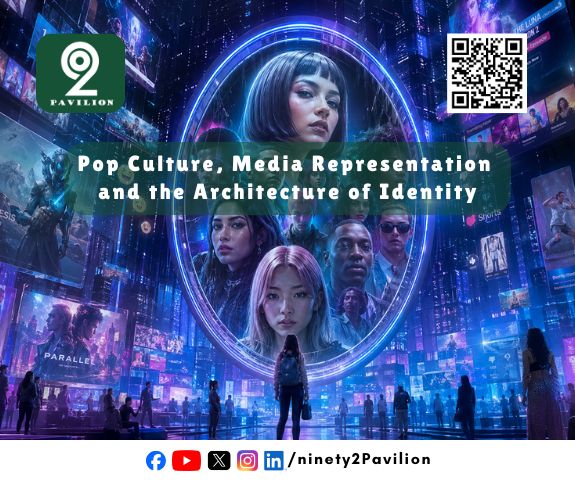
Pop culture, entertainment, and media representation form the invisible oxygen of modern life, acting as both a mirror that reflects our current society and a mold that shapes its future. In 2026, the power of these forces has reached a zenith, as digital connectivity ensures that no narrative exists in isolation. Representation within the media is no longer a peripheral concern of social activists; it has become the central battleground for cultural legitimacy and psychological well-being. When we consume entertainment—whether through a streaming series, a viral social media trend, or a high-fidelity video game—we are doing more than seeking a brief escape; we are participating in a global dialogue about who belongs, who matters, and what version of “normal” we are willing to accept.

The significance of representation lies in its ability to validate or erase lived experiences. For decades, pop culture was a narrow hallway that prioritized a monolithic perspective, often relegating marginalized groups to tropes, sidekicks, or villains. However, the mid-2020s have seen a seismic shift toward “authentic inclusion.” This goes beyond “tokenism”—the mere presence of diverse faces—and moves toward “narrative agency,” where characters from diverse backgrounds are given the complexity, flaws, and triumphs once reserved for a select few. When media representation is accurate and multifaceted, it dismantles the “othering” process that fuels social division. It allows viewers to see themselves reflected as the heroes of their own stories, which has been shown to significantly boost the self-esteem and academic aspirations of youth from underrepresented communities.

Conversely, pop culture also functions as a pedagogical tool for the majority. It is often through entertainment that we encounter cultures, identities, and worldviews different from our own. A well-crafted narrative can act as a bridge, fostering empathy by humanizing those who might otherwise remain statistics or abstractions. However, this power carries a heavy responsibility. Lazy or stereotypical representation in media can reinforce deep-seated biases, perpetuating harmful stigmas under the guise of entertainment. In our current era of “algorithmic echo chambers,” the risk is that we only consume media that validates our existing prejudices. Therefore, the flourishing world of entertainment in 2026 demands a higher level of media literacy from the audience—the ability to look behind the screen and ask whose voice is missing and whose story is being told for profit.

The rise of the “creator economy” has further democratized this landscape. No longer are the gates of representation guarded solely by a few Hollywood or television executives. Independent creators across the globe are using digital platforms to tell hyper-local, authentic stories that resonate with global audiences. This bottom-up pressure is forcing traditional media giants to recalibrate their agendas, leading to a richer, more vibrant tapestry of human expression. Ultimately, pop culture and media representation are the architects of our collective imagination. By demanding a mirror that is true and a mold that is inclusive, we ensure that the entertainment of the future is not just a source of pleasure, but a powerful engine for a more equitable and empathetic world

Share

Introduction

Pakistan’s political environment in 2026 remains dynamic and highly influential in shaping the country’s future. From parliamentary debates and economic policy decisions to opposition movements and electoral reforms, recent developments are playing a crucial role in determining national direction.

In this report by Eye of Pakistan, we analyze the latest political developments, government strategies, and opposition responses.

Government’s Policy Priorities in 2026

The federal government has emphasized:

  • Economic stabilization

  • Institutional reforms

  • Energy sector restructuring

  • Strengthening foreign diplomatic ties

Recent cabinet meetings focused on controlling inflation, stabilizing the Pakistani Rupee, and implementing fiscal discipline under ongoing economic reform programs.

Officials claim these measures aim to restore investor confidence and ensure sustainable growth.

Opposition’s Response and Political Strategy

Major opposition parties have intensified criticism of government policies, particularly regarding:

  • Rising inflation

  • Unemployment

  • Tax reforms

  • Utility price increases

Opposition leaders argue that economic pressure on the public has increased and demand greater transparency in parliamentary proceedings.

Political rallies and public gatherings have increased across major cities including Karachi, Lahore, and Islamabad.

Parliamentary Developments

Recent National Assembly sessions have seen heated debates over:

  • Budget allocations

  • Electoral reforms

  • Accountability laws

  • Provincial autonomy issues

Lawmakers from both treasury and opposition benches continue to exchange strong viewpoints, reflecting a vibrant yet tense political atmosphere.

Election Reforms and Democratic Process

Discussions around electoral transparency and digital voting mechanisms remain central to political discourse.

The Election Commission is reportedly reviewing:

  • Voter verification systems

  • Polling station security

  • Overseas voting procedures

Analysts believe these reforms could significantly impact future general elections.

Public Reaction and Political Climate

Public opinion appears divided. While some citizens support structural reforms and long-term stabilization plans, others express concerns over economic hardships and governance challenges.

Political analysts suggest that the coming months will be critical in determining whether current policies translate into tangible relief for the public.

Conclusion

Pakistan’s political landscape in 2026 is marked by active debate, institutional reforms, and strategic maneuvering from both government and opposition parties. As policy decisions continue to unfold, their impact on economic stability and democratic processes will remain under close observation.

Stay connected with Eye of Pakistan for reliable and timely political updates.