By: News Desk 92Pavilion
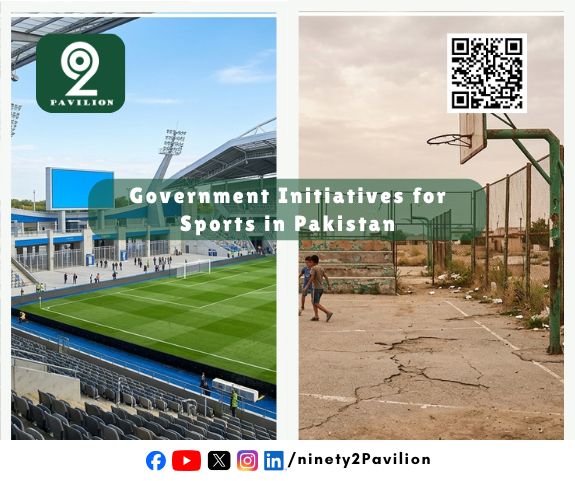
Pakistan’s sports infrastructure stands at a pivotal crossroads, caught between a storied legacy of past triumphs and the urgent demands of a high-tech, globalized athletic era. For a nation that views sports as a primary vehicle for national pride and social cohesion, the physical state of its stadiums, high-performance centers, and grassroots facilities serves as a direct barometer of its future potential. As of April 2026, the country is navigating a dual reality: while a handful of world-class venues in major urban centers are undergoing a massive “Digital and Structural Renaissance” to host international events like the Champions Trophy, the vast majority of local and institutional facilities remain trapped in a cycle of neglect and resource scarcity. Bridging this “infrastructure gap” is the central challenge for Pakistan’s sports governance, requiring a shift from occasional cosmetic upgrades to a sustainable, nationwide facility-management framework.
The crown jewels of Pakistan’s current infrastructure are its historic cricket stadiums—Gaddafi Stadium in Lahore, National Bank Stadium in Karachi, and the Pindi Cricket Stadium. In preparation for the 2025-2026 international calendar, these venues have seen significant upgrades, including the installation of high-density LED floodlights, improved drainage systems, and enhanced spectator facilities. Furthermore, the completion of the Arbab Niaz Stadium in Peshawar and the integration of the Gwadar Cricket Stadium into the domestic circuit have expanded the geographical reach of professional facilities. These venues now incorporate basic smart-stadium technologies, such as improved digital ticketing and enhanced security surveillance. However, these successes are often “island infrastructures”—isolated pockets of excellence that do not necessarily reflect the state of sports facilities available to the general public or aspiring athletes in smaller cities.
The most critical deficit remains in the realm of multi-purpose and specialized Olympic sports infrastructure. In 2026, the scarcity of high-performance centers for sports like athletics, swimming, and gymnastics is a major barrier to podium finishes on the global stage. While the Pakistan Sports Board (PSB) maintains major complexes in provincial capitals, many of these facilities suffer from aging equipment and a lack of specialized maintenance staff. For example, while Arshad Nadeem’s javelin success in 2024 sparked interest in track and field, the number of international-standard synthetic tracks remains woefully inadequate for a population of over 240 million. This lack of “specialized spaces” means that elite athletes often have to travel abroad for basic training needs, a drain on both financial resources and the nation’s ability to groom local talent.
Furthermore, the “Institutional Infrastructure” within schools and colleges is largely non-existent or dilapidated. In 2026, the lack of sports frameworks in Pakistani institutions has led to a situation where the majority of youth have no access to basic playing fields. The encroachment of commercial real estate on traditional “maidans” (open grounds) has further stifled the grassroots pipeline. To combat this, the “Prime Minister’s 1000 Playgrounds Project” has attempted to revitalize community-level facilities, focusing on small-scale cricket nets, volleyball courts, and futsal pitches. However, the sustainability of these projects is often threatened by a lack of dedicated maintenance budgets, leading to a rapid decline in the quality of these facilities within a few years of completion.
Looking forward, the roadmap for Pakistani sports infrastructure in 2026 emphasizes the “Public-Private Partnership” (PPP) model. By allowing corporate entities to adopt and manage stadiums, the government aims to professionalize facility management and ensure a steady stream of revenue for maintenance. Additionally, the move toward “Green Stadiums”—incorporating solar energy and water recycling—is becoming a standard requirement for new projects, aligning with the global response to climate change. This shift is essential for reducing the high operational costs that often lead to the closure of public facilities. By integrating sustainable energy solutions, Pakistan can ensure that its stadiums remain functional year-round, regardless of the broader energy challenges facing the nation.
Ultimately, the goal for Pakistan in late 2026 is to move beyond the “bricks and mortar” of stadiums and toward a “Facility Ecosystem” that prioritizes accessibility and professional maintenance. A stadium is only as good as the talent it fosters; without a widespread network of functional, well-equipped local facilities, the grandest arenas will remain empty monuments to missed opportunities. Championing equal access to sports requires a physical commitment—a mandate to ensure that every district has at least one high-quality multi-purpose sports complex. By investing in a resilient and inclusive infrastructure, Pakistan can transform its raw athletic energy into a sustainable legacy of global excellence, ensuring that the next generation of champions is built on solid ground