By: News Desk 92Pavilion
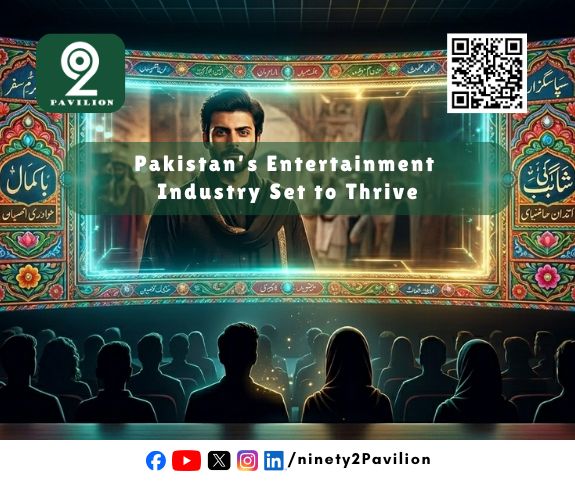
The entertainment landscape of Pakistan is undergoing a profound and systemic transformation in 2026, signaling a shift from a decade of consolidation to an era of global ambition. Long defined by the commercial reliability of television dramas and a resilient yet struggling film sector, the industry is now recalibrating its focus toward quality, digital integration, and international collaboration. This is not merely a seasonal uptick in content production; it is a fundamental restructuring of how cultural stories are told, sold, and scaled. As the domestic market matures and technological barriers dissolve, the Pakistani entertainment ecosystem is positioning itself as a formidable player in the regional and global creative economy.
At the heart of this thriving sector is the strategic shift toward “event-based” programming. In television, which remains the country’s most prolific medium, major networks have moved away from the quantity-over-quality model. In 2026, the mantra has become one of selective silence and high-impact storytelling. By concentrating star power into fewer, more rigorously produced serials that prioritize writer-led narratives and moral depth, the industry is reclaiming its reputation for sophisticated emotional interiority. This approach has proven successful in retaining a discerning audience that now has instant access to global streaming giants. By focusing on projects that offer authentic cultural resonance, Pakistani television is not just surviving the digital age but thriving within it.
Parallel to this, the cinema of Pakistan is witnessing a technological and creative revival. Despite the structural challenges of a shrinking domestic theater network, filmmakers are innovating through genre-bending and tech-driven production. A landmark achievement in early 2026 was the premiere of the country’s first feature-length film created entirely through Artificial Intelligence, demonstrating a bold embrace of the Fourth Industrial Revolution. Furthermore, the 2026 film slate reflects a newfound confidence in diverse genres—ranging from Lyari-based sports dramas to superhero epics and crime thrillers. This diversification, coupled with international distribution models aimed at the overseas diaspora, is bridging the gap between artistic ambition and commercial viability.
Government support has also emerged as a critical catalyst for this growth. The establishment of the National Centre of Films (NCF) and the introduction of significant financial incentives—including tax exemptions on filming equipment and credits for cinema operations—have provided the necessary scaffolding for institutional revival. These policy tools are complemented by a surge in international collaborations and memorandums of understanding for joint productions with global partners. Simultaneously, the music industry is experiencing a renaissance of the “long-form” project, with artists once again prioritizing albums over disposable singles, fostering a deeper, more sustainable connection with their listeners.
Ultimately, the prosperity of Pakistan’s entertainment industry in 2026 is rooted in its ability to balance nostalgia with reinvention. By leveraging its unique cultural identity and marrying it with modern production standards, the sector is successfully projecting Pakistan’s “soft image” to the world. As the noise of fragmented digital competition fades, what remains is a leaner, more resilient industry that is finally ready to sustain meaning and impact on a global scale