Latest Posts
Building a Vibrant Cultural FutureA Journey Towards ProsperityArab nations face an inevitable declineBlogging Revenue in Pakistan’s 2026 EconomyWhy China is Investing in Pakistan’s Gwadar PortThe Rising Spirit of Pakistani SportsVoice-Over Economy in Pakistan 2026India’s Investment in Iran,Chabahar PortEvent Management Business in Pakistan 2026The Volatile Trajectory of Pakistan-Afghanistan Relations in 2026Why Pakistan Must Overhaul Its InfrastructureEvolution of Goods and Equipment in Modern SportsThe Current Situation of Sports in PakistanGovernment Initiatives for Sports in PakistanAssessing Sports Infrastructure and Facilities in PakistanSialkot and the Renaissance of Pakistan’s Sports Goods IndustryEmerging Sports Trends in 2026Legacy of Popular Traditional SportsJourney Through the Background of Sports in PakistanInfrastructure and Framework Deficits in Pakistani Sports InstitutionsLevelling the Field of SportsThe Roadmap for Pakistan’s Islamic Financial TransitionApartheid Structure in Occupied KashmirThe Strategic Role of the SCO in 2026Complexities of Illegal Immigrant RepatriationPakistan’s Strategic Role in Regional Power DynamicsPakistan’s Strategic Role in the South Asian Power PlayPakistan’s Strategic Tightrope in the US-China RivalryPakistan-China Relations in a Changing Geopolitical EnvironmentForeign Relation of Pakistan with Neighboring CountriesGlobal Response and the Reshaping World Order in 2026Impacts of International Structure on Pakistan’s Foreign PolicyEnduring Conflict Between India and PakistanAncient Roman and Modern EntertainmentCultivating Pakistan’s Future Tech WorkforceBuilding, Champions of the WorldDeciphering the Boundary Between Art and EntertainmentDevelopment of Pakistan’s Entertainment Industry

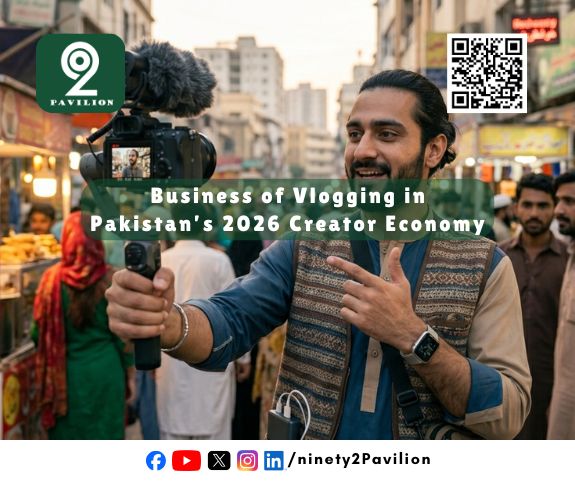
Business of Vlogging in Pakistan’s 2026 Creator Economy

Business of Vlogging in Pakistan’s 2026 Creator Economy

By: News Desk 92Pavilion

As of 2026, the vlogging landscape in Pakistan is characterized by high-stakes competition and sophisticated monetization. The “daily vlog” format popularized years ago has matured; today’s successful creators are essentially micro-media moguls who manage production teams, editors, and digital marketing strategists. In an economy where earning in USD is the ultimate goal, vlogging has emerged as one of the most accessible “digital exports” for Pakistan.

The current climate is defined by niche authority. While giants like Brothers Vlog and Salman Noman dominate the mainstream, the real business growth is happening in specialized sectors: Agri-vlogging (modern farming techniques), AI-EdTech (teaching AI tools in Urdu), and FinVlogs (navigating local tax and crypto laws).

A significant shift in 2026 is the FBR’s active monitoring of digital creators. The Federal Board of Revenue has implemented stricter tax compliance for YouTubers and influencers, treating digital income as a formal business sector. Despite this, the market remains bullish because local brands have shifted nearly 60% of their traditional ad spend toward digital creators to reach the country’s 85 million+ mobile-first internet users.

Monetization in Pakistan has moved beyond simple “ad clicks.” Here is the breakdown of the current revenue model:

While YouTube’s partner program remains a staple, smart Pakistani vloggers now target “Premium Tier” audiences (the US, UK, and UAE). By creating content that appeals to the Pakistani diaspora or global audiences, they earn significantly higher CPMs (Cost Per Mille). Even with 500 subscribers, new 2026 rules allow creators to access “fan funding” features like Super Thanks and Memberships.

Local brand deals are no longer just about “shout-outs.” Pakistani vloggers now sign annual retainers with tech startups, FMCGs (Fast-Moving Consumer Goods), and fashion houses. A mid-tier vlogger (50k–100k followers) can earn anywhere from PKR 100,000 to PKR 400,000 per month through consistent brand integrations.

The “Shopable Video” trend has fully arrived. Using platforms like Daraz Affiliates or even international programs like Amazon Associates, vloggers integrate product links directly into their descriptions. In 2026, the use of WhatsApp Business as a secondary sales channel is common, where vloggers build “VIP communities” to sell digital products or exclusive merch.

Many creators are using their vlogs to sell high-ticket items:

  • Micro-courses: Teaching skills like “Mobile Cinematography” or “SEO for YouTube.”
  • SaaS Tools: Partnering with developers to create simple AI tools for students or small businesses.

Vlogging in Pakistan is a high-reward frontier that rewards authenticity and technical consistency. In 2026, the “lucky viral hit” is a thing of the past; the industry is now dominated by those who understand SEO, local tax laws, and global audience trends. For the Pakistani creator, the vlog is not just a video—it is a global storefront

Share

Introduction

Pakistan’s political environment in 2026 remains dynamic and highly influential in shaping the country’s future. From parliamentary debates and economic policy decisions to opposition movements and electoral reforms, recent developments are playing a crucial role in determining national direction.

In this report by Eye of Pakistan, we analyze the latest political developments, government strategies, and opposition responses.

Government’s Policy Priorities in 2026

The federal government has emphasized:

  • Economic stabilization

  • Institutional reforms

  • Energy sector restructuring

  • Strengthening foreign diplomatic ties

Recent cabinet meetings focused on controlling inflation, stabilizing the Pakistani Rupee, and implementing fiscal discipline under ongoing economic reform programs.

Officials claim these measures aim to restore investor confidence and ensure sustainable growth.

Opposition’s Response and Political Strategy

Major opposition parties have intensified criticism of government policies, particularly regarding:

  • Rising inflation

  • Unemployment

  • Tax reforms

  • Utility price increases

Opposition leaders argue that economic pressure on the public has increased and demand greater transparency in parliamentary proceedings.

Political rallies and public gatherings have increased across major cities including Karachi, Lahore, and Islamabad.

Parliamentary Developments

Recent National Assembly sessions have seen heated debates over:

  • Budget allocations

  • Electoral reforms

  • Accountability laws

  • Provincial autonomy issues

Lawmakers from both treasury and opposition benches continue to exchange strong viewpoints, reflecting a vibrant yet tense political atmosphere.

Election Reforms and Democratic Process

Discussions around electoral transparency and digital voting mechanisms remain central to political discourse.

The Election Commission is reportedly reviewing:

  • Voter verification systems

  • Polling station security

  • Overseas voting procedures

Analysts believe these reforms could significantly impact future general elections.

Public Reaction and Political Climate

Public opinion appears divided. While some citizens support structural reforms and long-term stabilization plans, others express concerns over economic hardships and governance challenges.

Political analysts suggest that the coming months will be critical in determining whether current policies translate into tangible relief for the public.

Conclusion

Pakistan’s political landscape in 2026 is marked by active debate, institutional reforms, and strategic maneuvering from both government and opposition parties. As policy decisions continue to unfold, their impact on economic stability and democratic processes will remain under close observation.

Stay connected with Eye of Pakistan for reliable and timely political updates.

Education in Pakistan 2026

By: News Desk 92Pavilion Education in Pakistan stands as a complex paradox of modest statistical gains and deep-rooted systemic crises. As of 2026, the national

Share
Read More »