
By: 92 Pavilion | Updated: August 28, 2026
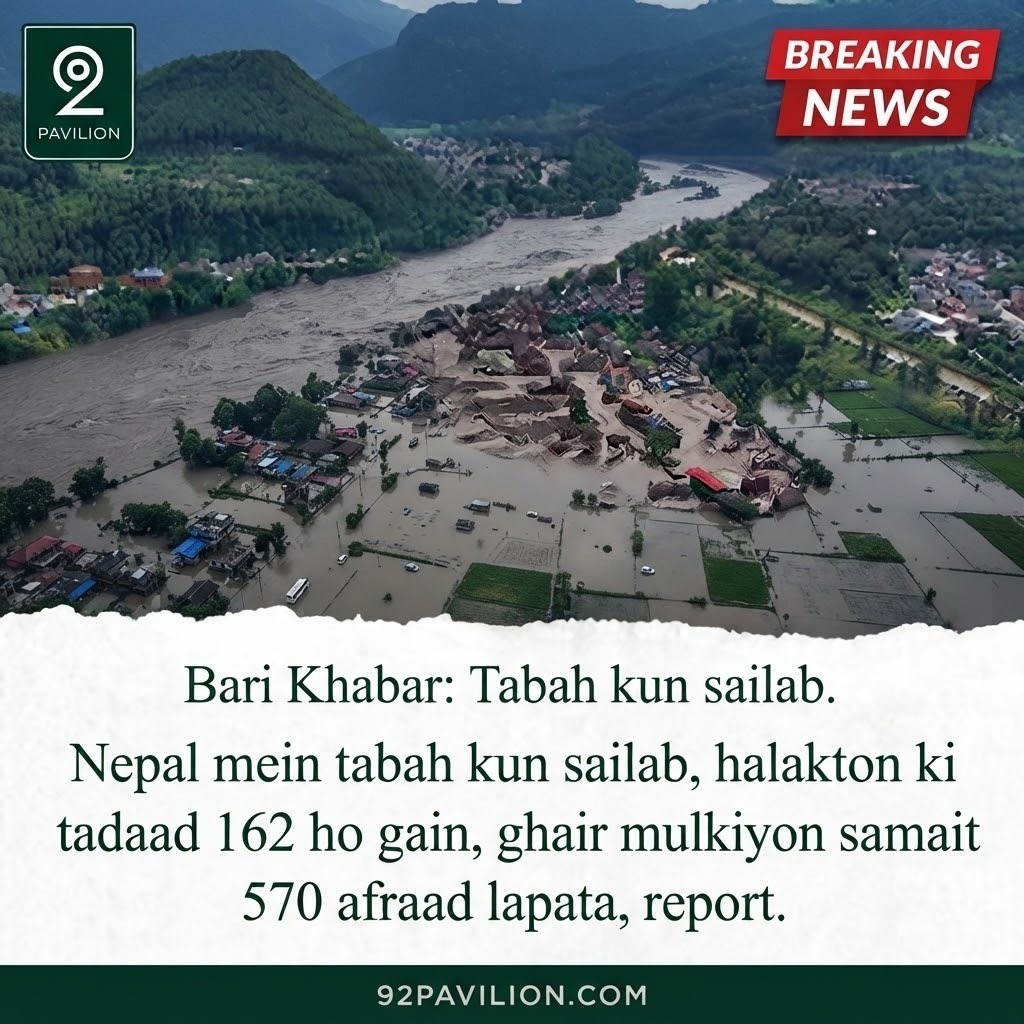
Quick Answer: Flash floods triggered by a glacier collapse near the Nepal-Tibet border have killed at least 162 people, according to Nepal Police, with hundreds more, including dozens of American tourists, still unaccounted for. The floods struck the northern Rasuwa district on August 26, sweeping through the Trishuli River valley and damaging bridges, roads, and hydropower stations. Search and rescue operations by the Nepali Army are continuing.
What Triggered the Flooding
The disaster began around 8:40 a.m. local time on August 26, when a wall of water tore through Nepal’s Rasuwa district along the Trishuli River, close to the border with Tibet. According to CBS News, U.S. officials later determined the flooding was caused by the collapse of a glacier and a rocky ledge it had supported, sending a massive surge of water, mud, and debris down the valley.
The flood buried buildings, destroyed roads, and damaged six major hydropower and transmission facilities operated by the Nepal Electricity Authority.
The Death Toll and the Missing
Nepal Police confirmed 162 bodies had been recovered as of Wednesday, though officials said the identification process is still ongoing, according to ABC News. By Friday, CBS News reported the number of people still unaccounted for had climbed above 2,000, as rescue teams worked through debris-choked river valleys.
The scale of those missing has been especially striking because so many were foreign tourists. Nepal’s Prime Minister’s Office initially reported 403 foreign nationals and 93 Nepali tourists missing, while the Nepali Tourism Board said the list included at least 47 American citizens who lost contact after the floods hit the Rasuwa region. Chinese state media separately reported 265 people missing on their side of the border.
Rescue Operations Underway
The Nepali Army has been mobilised for search and rescue, with helicopters carrying more than 3,000 people to safety in Kathmandu and other locations by Friday, according to CBS News. Nepal Police spokesman Abi Narayan Kafle told AFP that authorities had “alerted people who are staying near the riverside to relocate” and had “deployed all our resources” to the affected areas.
The Red Cross estimated that around 90,000 people had likely been affected by the flooding in some way, whether through displacement, property damage, or loss of access to basic services.
A Renewed Warning From Authorities
On Friday, Nepal Police issued a fresh alert after receiving reports that a dam on the Tibetan side of the border was at risk of overflowing. Security personnel and relief workers were told to remain on high alert and move to safety immediately if conditions worsened, underscoring that the danger from the initial glacier collapse has not fully passed.
International Response
U.S. Secretary of State Marco Rubio posted on social media expressing solidarity with the Nepali people, saying the State Department “stands ready to support the government of Nepal with needed humanitarian assistance.”
Frequently Asked Questions
What caused the Nepal floods?
U.S. officials said the flooding was triggered by the collapse of a glacier and rocky ledge near the Nepal-Tibet border, which sent a surge of water down the Trishuli River valley.
How many people have died?
Nepal Police confirmed at least 162 deaths as of August 26, with the identification process still ongoing.
How many people remain missing?
Reports have varied as the situation develops, ranging from around 570 to more than 2,000 people, with a large share believed to be foreign tourists, including at least 47 Americans.
Are rescue operations still underway?
Yes. The Nepali Army continues search and rescue work, and authorities have issued renewed flood warnings due to concerns about a dam on the Tibetan side of the border.