
By: News Desk 92Pavilion
In the competitive landscape of tertiary education in 2026, the definition of institutional excellence has shifted from the caliber of the faculty alone to the comprehensiveness of the student support ecosystem. Higher education student services, once viewed as peripheral “administrative extras,” are now recognized as the primary drivers of student retention, mental well-being, and career readiness. As universities transition into holistic hubs of development, these services have become the scaffolding that supports an increasingly diverse and non-traditional student body. From mental health counseling and academic advising to financial literacy workshops and career placement, the modern student services department is the frontline of the university’s mission to produce not just graduates, but resilient, workforce-ready citizens.
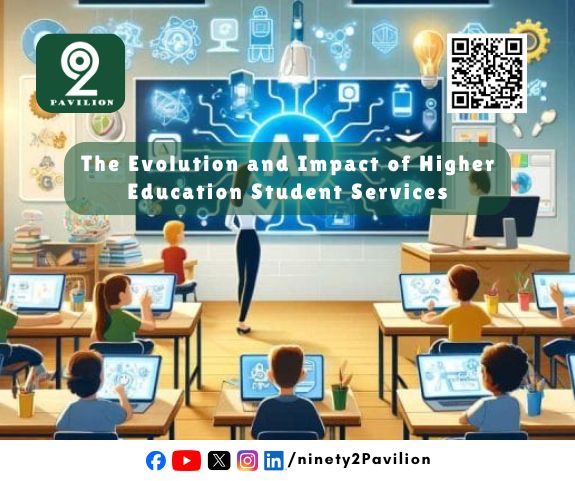
The most significant transformation in student services over the last few years has been the integration of proactive, AI-driven support systems. No longer do institutions wait for a student to fail an exam or miss a tuition payment before intervening. Predictive analytics now allow student service professionals to identify early warning signs of disengagement, triggering personalized outreach that can provide tutoring or financial counseling before a crisis occurs. This “intrusive advising” model has been a game-changer for first-generation and marginalized students, who may lack the social capital to navigate complex institutional bureaucracies on their own. By lowering the barriers to assistance, these services directly combat the high dropout rates that have historically plagued the higher education sector.
Furthermore, the 2025–2026 academic cycle has seen an unprecedented focus on holistic well-being. Modern student services have expanded to include robust mental health resources, including 24/7 tele-therapy and peer support networks, recognizing that academic success is impossible without emotional stability. This is complemented by “wrap-around” services that address basic needs, such as on-campus food pantries and emergency housing assistance. In an era where the cost of living often rivals the cost of tuition, these services ensure that socioeconomic status does not become a ceiling on a student’s potential. Additionally, career services have evolved from simple resume-review offices into lifelong networking hubs. They now offer “micro-internships” and industry-specific mentorship programs that bridge the gap between academic theory and the practical demands of a globalized, AI-integrated labor market.
Ultimately, the strength of higher education student services lies in their ability to foster a sense of belonging. In the sprawling environment of a modern university, it is easy for a student to feel like a number; student services provide the human connection that transforms a campus into a community. Whether through international student orientations, disability resource centers, or veteran support programs, these services celebrate the diversity of the student body and ensure that every individual has the specific tools they need to thrive. As we look toward the future of education, it is clear that the universities that succeed will be those that invest as heavily in their people as they do in their research