Latest Posts
Loading latest posts…

Petrol Price Climbs to Rs346.16 a Litre as Pakistan’s Daily Fuel Revisions Continue

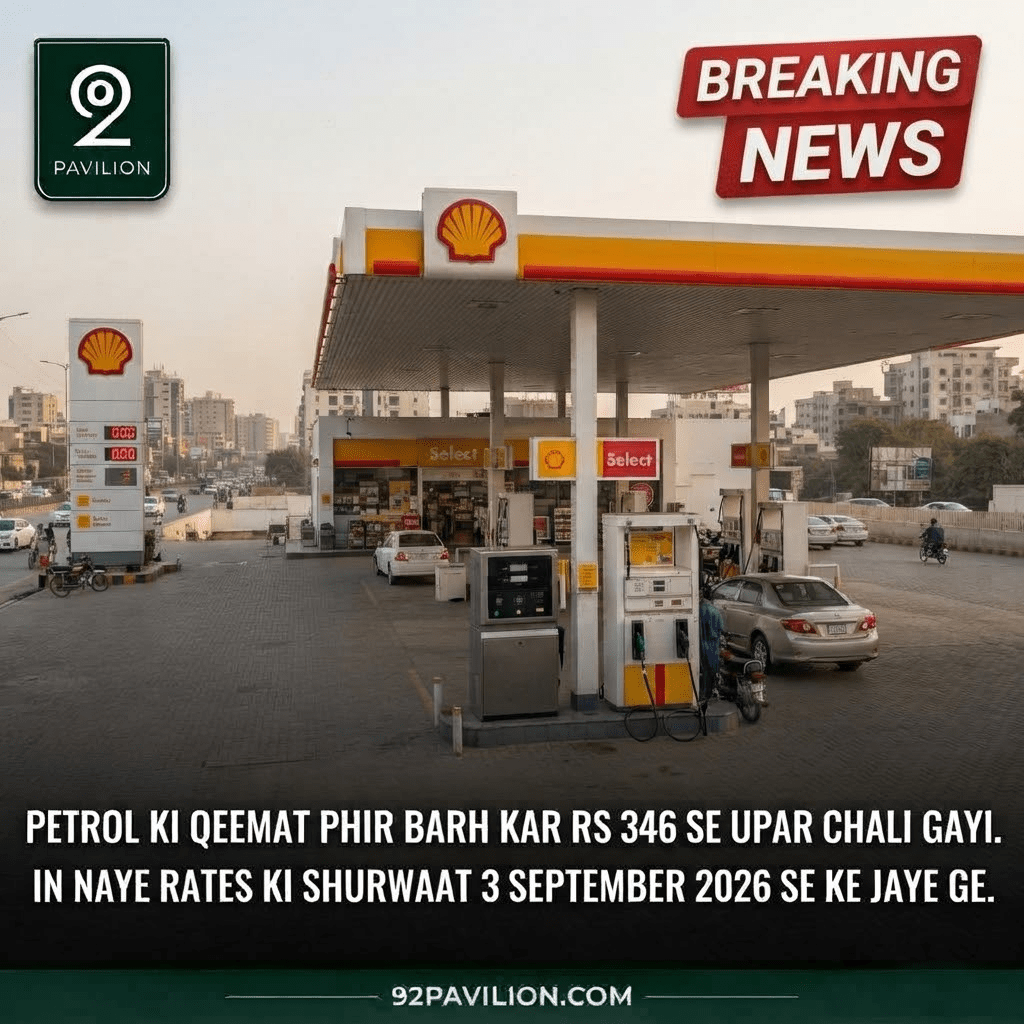
A Shell petrol station in Karachi displaying updated fuel price boards after Pakistan's September 3 rate hike

Petrol Price Climbs to Rs346.16 a Litre as Pakistan’s Daily Fuel Revisions Continue

By: 92Pavilion | Updated: September 3, 2026

Quick Answer: The federal government has raised petrol prices by Rs2.29 to Rs346.16 per litre and high-speed diesel by Rs1.11 to Rs372.03 per litre, effective September 3, 2026, under the daily fuel pricing mechanism introduced in mid-July.

What Changed

According to a notification from the Petroleum Division, the new petrol rate of Rs346.16 per litre and diesel rate of Rs372.03 per litre took effect from Thursday. The increase follows a smaller adjustment a day earlier, when petrol rose by Rs1.08 to Rs343.87 and diesel by 51 paisas to Rs370.92 for September 2.

Since the government moved to daily price reviews in mid-July, petrol has climbed by roughly Rs35 per litre and diesel by more than Rs42 per litre in cumulative terms.

Why Prices Keep Rising

Pakistan replaced its earlier weekly pricing system with daily revisions after renewed hostilities between the United States and Iran unsettled global oil markets. Officials say the near-daily adjustments are meant to keep domestic prices aligned with volatile international crude rates rather than absorbing large jumps all at once.

Petroleum products remain one of Pakistan’s largest import categories, and since domestic refineries cover only part of national demand, any rise in global oil prices quickly feeds through to the pump, the country’s import bill, and overall inflation.

What’s Included in the Price

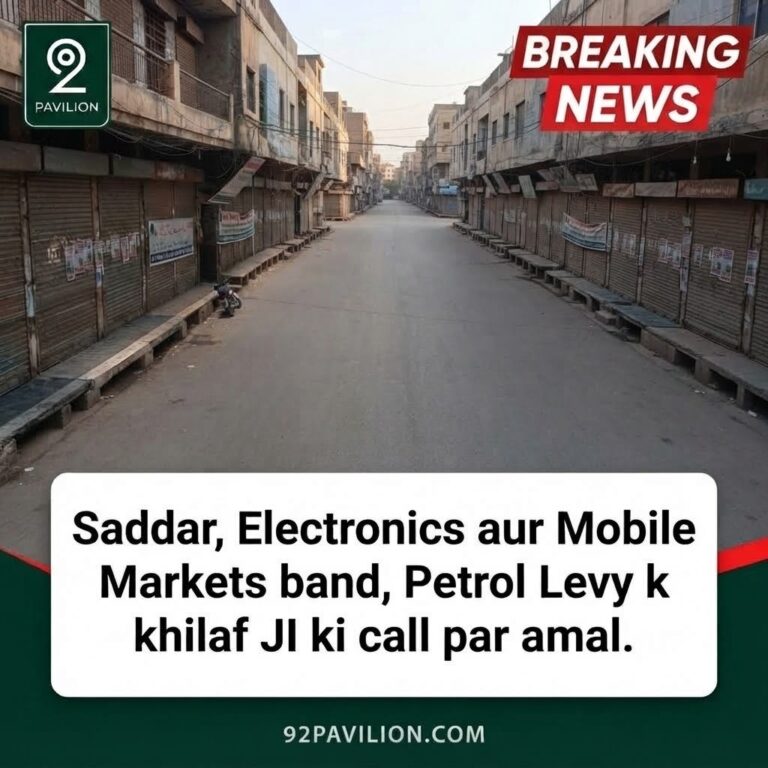
Of every litre of petrol sold, the government currently collects around Rs114 in taxes and levies, with roughly Rs100 per litre applied to diesel. These charges, particularly the petroleum levy, have become a central point of public frustration and were the main trigger behind Jamaat-e-Islami’s nationwide strike held the same day.

Frequently Asked Questions

What is the new petrol price in Pakistan?

Petrol now costs Rs346.16 per litre, up Rs2.29 from the previous rate, effective September 3, 2026.

What is the new diesel price?

High-speed diesel rose by Rs1.11 to Rs372.03 per litre.

Why are fuel prices changing daily now?

Pakistan switched from weekly to daily fuel price reviews in July 2026 to track volatility in global oil markets tied to US-Iran tensions.

How much tax is included in the petrol price?

Around Rs114 per litre of petrol goes toward government taxes and levies, according to official figures.

This report is based on the Petroleum Division’s official notification and OGRA/PSO price data for September 3, 2026.

92Pavilion brings you timely, verified updates on Pakistan and the region. Stay with us for continued coverage.

Share

Introduction

Pakistan’s political environment in 2026 remains dynamic and highly influential in shaping the country’s future. From parliamentary debates and economic policy decisions to opposition movements and electoral reforms, recent developments are playing a crucial role in determining national direction.

In this report by Eye of Pakistan, we analyze the latest political developments, government strategies, and opposition responses.

Government’s Policy Priorities in 2026

The federal government has emphasized:

  • Economic stabilization

  • Institutional reforms

  • Energy sector restructuring

  • Strengthening foreign diplomatic ties

Recent cabinet meetings focused on controlling inflation, stabilizing the Pakistani Rupee, and implementing fiscal discipline under ongoing economic reform programs.

Officials claim these measures aim to restore investor confidence and ensure sustainable growth.

Opposition’s Response and Political Strategy

Major opposition parties have intensified criticism of government policies, particularly regarding:

  • Rising inflation

  • Unemployment

  • Tax reforms

  • Utility price increases

Opposition leaders argue that economic pressure on the public has increased and demand greater transparency in parliamentary proceedings.

Political rallies and public gatherings have increased across major cities including Karachi, Lahore, and Islamabad.

Parliamentary Developments

Recent National Assembly sessions have seen heated debates over:

  • Budget allocations

  • Electoral reforms

  • Accountability laws

  • Provincial autonomy issues

Lawmakers from both treasury and opposition benches continue to exchange strong viewpoints, reflecting a vibrant yet tense political atmosphere.

Election Reforms and Democratic Process

Discussions around electoral transparency and digital voting mechanisms remain central to political discourse.

The Election Commission is reportedly reviewing:

  • Voter verification systems

  • Polling station security

  • Overseas voting procedures

Analysts believe these reforms could significantly impact future general elections.

Public Reaction and Political Climate

Public opinion appears divided. While some citizens support structural reforms and long-term stabilization plans, others express concerns over economic hardships and governance challenges.

Political analysts suggest that the coming months will be critical in determining whether current policies translate into tangible relief for the public.

Conclusion

Pakistan’s political landscape in 2026 is marked by active debate, institutional reforms, and strategic maneuvering from both government and opposition parties. As policy decisions continue to unfold, their impact on economic stability and democratic processes will remain under close observation.

Stay connected with Eye of Pakistan for reliable and timely political updates.