
By: News Desk 92Pavilion
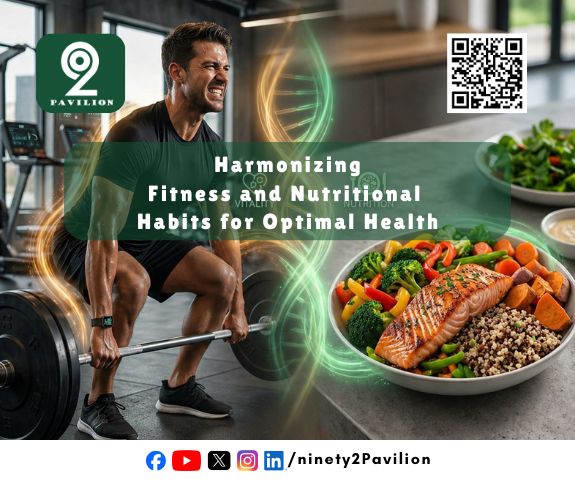
In the health landscape of 2026, the long-standing wall between the gym and the kitchen has finally crumbled. We have moved past the era of viewing exercise and diet as separate silos; instead, the modern blueprint for vitality recognizes them as a single, unified equation. As science delves deeper into the “Metabolic Synergy” of the human body, it has become clear that fitness and nutritional habits are not just complementary—they are entirely interdependent. One provides the stimulus for change, while the other provides the chemical architecture to realize it. Achieving true wellness in the mid-2020s is about moving away from “dieting” and toward a sustainable “Fueling Strategy” that supports a life in motion.
The foundation of this synergy lies in the understanding that exercise is a physiological stressor that requires specific nutrients for recovery. In 2026, the “Precision Nutrition” movement has shifted the focus from broad calorie counting to the strategic timing and quality of macronutrients. For those engaged in regular fitness—whether it is high-intensity interval training or steady-state endurance—protein remains the vital building block. However, the modern habit emphasizes “Protein Pacing,” distributing intake throughout the day to maximize muscle protein synthesis. Simultaneously, carbohydrates have been rehabilitated from their former status as a dietary villain; they are now recognized as the essential “glycogen fuel” required to power high-performance movement and protect brain health during exertion.
Equally important is the shift toward “Nutrient Density” over mere caloric restriction. Modern nutritional habits in 2026 prioritize whole, minimally processed foods that provide a wealth of micronutrients—vitamins, minerals, and polyphenols—that act as natural anti-inflammatories. This “Anti-Inflammatory Kitchen” approach is crucial for fitness enthusiasts because it accelerates tissue repair and reduces the oxidative stress caused by intense training. Incorporating healthy fats, such as Omega-3s found in seeds and fatty fish, has also become a hallmark habit, supporting hormonal balance and joint health. The result is a body that doesn’t just look fit but functions with high efficiency at a cellular level.
The digital transformation of 2026 has introduced a level of accountability previously unseen. Wearable technology now integrates with nutrition apps to provide “Real-Time Metabolic Feedback.” Users can see how a specific meal affects their recovery score or how a morning workout increases their need for hydration and electrolytes. This data-driven approach helps eliminate the guesswork, allowing individuals to develop intuitive habits that respond to their body’s unique signals. Furthermore, the psychological aspect of these habits is now being prioritized; “Mindful Eating” is paired with “Mindful Movement” to ensure that the pursuit of fitness remains a source of empowerment rather than a source of stress or disordered behavior.
Ultimately, the interrelationship between fitness and nutritional habits in 2026 is about longevity and quality of life. It is the recognition that what we do with our bodies is fueled by what we put into them. When we align our movement with our nourishment, we unlock a state of “Biological Harmony” where energy levels remain stable, recovery is rapid, and the body becomes a resilient vessel for our aspirations. Whether you are an elite athlete or someone just starting a walking routine, the secret remains the same: eat to move, and move to live.