Latest Posts
Loading latest posts…

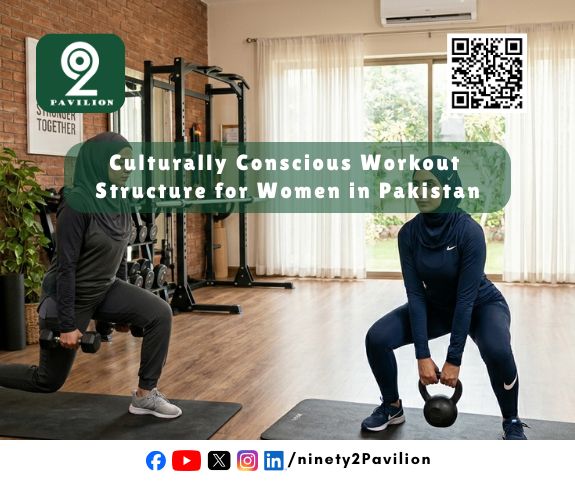
Culturally Conscious Workout Structure for Women in Pakistan

Culturally Conscious Workout Structure for Women in Pakistan

By: News Desk 92Pavilion

The fitness landscape for women in Pakistan has undergone a transformative shift, moving away from restrictive norms toward a holistic model of empowerment. As urban centers like Karachi, Lahore, and Islamabad see a surge in women-only gyms and “hijab-friendly” boutique studios, the modern Pakistani woman is embracing a workout structure that balances traditional values with global fitness science. This evolution is driven by a growing awareness that physical strength is a catalyst for mental resilience and long-term health. The 2026 workout structure is no longer just about weight management; it is a personalized blueprint designed for functional strength, hormonal balance, and sustainable vitality.

A typical 2026 fitness routine for women in Pakistan is built on a foundation of Resistance Training, which has officially overtaken traditional cardio as the number one trend. Experts recommend a three-day-per-week full-body strength circuit to maximize metabolic health and preserve bone density. This includes compound movements such as Goblet Squats, Dumbbell Deadlifts, and Push-up variations. For those training at home or in more conservative settings, resistance bands and bodyweight drills offer a discreet yet highly effective way to build muscle. These sessions are often structured in “super-sets” to keep the heart rate elevated, ensuring a cardiovascular benefit without the need for high-impact running, which can sometimes be difficult to perform in traditional attire.

Cultural considerations play a pivotal role in the “Hybrid Fitness” model of 2026. Recognizing the busy schedules of Pakistani women—often balancing professional careers with multi-generational household responsibilities—the workout structure emphasizes Time-Efficiency. High-Intensity Interval Training (HIIT) sessions lasting just 20 to 30 minutes have become a staple. Furthermore, the rise of AI-powered coaching apps allows women to follow professional routines from the privacy of their homes, eliminating the barriers of travel and “intermingling” that once hindered participation. These digital tools often include “modesty-first” variations of popular exercises, ensuring that every woman can move with confidence and comfort.

The integration of Mind-Body Training is the final, essential piece of the puzzle. In 2026, many Pakistani fitness programs now conclude with 10 to 15 minutes of Yoga, Pilates, or controlled breathwork. This is specifically designed to manage cortisol levels—a crucial factor in women’s hormonal health—and provide a mental reset from the stressors of daily life. Popular community-based activities like “Ladies-Only Walking Clubs” in local parks further provide a social support system that reinforces consistency. Ultimately, the health and fitness structure for women in Pakistan in 2026 is a celebration of the self. It is a path that honors religious and cultural identity while providing the physical tools necessary to lead a vibrant, independent, and healthy life

Share

Introduction

Pakistan’s political environment in 2026 remains dynamic and highly influential in shaping the country’s future. From parliamentary debates and economic policy decisions to opposition movements and electoral reforms, recent developments are playing a crucial role in determining national direction.

In this report by Eye of Pakistan, we analyze the latest political developments, government strategies, and opposition responses.

Government’s Policy Priorities in 2026

The federal government has emphasized:

  • Economic stabilization

  • Institutional reforms

  • Energy sector restructuring

  • Strengthening foreign diplomatic ties

Recent cabinet meetings focused on controlling inflation, stabilizing the Pakistani Rupee, and implementing fiscal discipline under ongoing economic reform programs.

Officials claim these measures aim to restore investor confidence and ensure sustainable growth.

Opposition’s Response and Political Strategy

Major opposition parties have intensified criticism of government policies, particularly regarding:

  • Rising inflation

  • Unemployment

  • Tax reforms

  • Utility price increases

Opposition leaders argue that economic pressure on the public has increased and demand greater transparency in parliamentary proceedings.

Political rallies and public gatherings have increased across major cities including Karachi, Lahore, and Islamabad.

Parliamentary Developments

Recent National Assembly sessions have seen heated debates over:

  • Budget allocations

  • Electoral reforms

  • Accountability laws

  • Provincial autonomy issues

Lawmakers from both treasury and opposition benches continue to exchange strong viewpoints, reflecting a vibrant yet tense political atmosphere.

Election Reforms and Democratic Process

Discussions around electoral transparency and digital voting mechanisms remain central to political discourse.

The Election Commission is reportedly reviewing:

  • Voter verification systems

  • Polling station security

  • Overseas voting procedures

Analysts believe these reforms could significantly impact future general elections.

Public Reaction and Political Climate

Public opinion appears divided. While some citizens support structural reforms and long-term stabilization plans, others express concerns over economic hardships and governance challenges.

Political analysts suggest that the coming months will be critical in determining whether current policies translate into tangible relief for the public.

Conclusion

Pakistan’s political landscape in 2026 is marked by active debate, institutional reforms, and strategic maneuvering from both government and opposition parties. As policy decisions continue to unfold, their impact on economic stability and democratic processes will remain under close observation.

Stay connected with Eye of Pakistan for reliable and timely political updates.