By: 92Pavilion | Updated: September 2, 2026
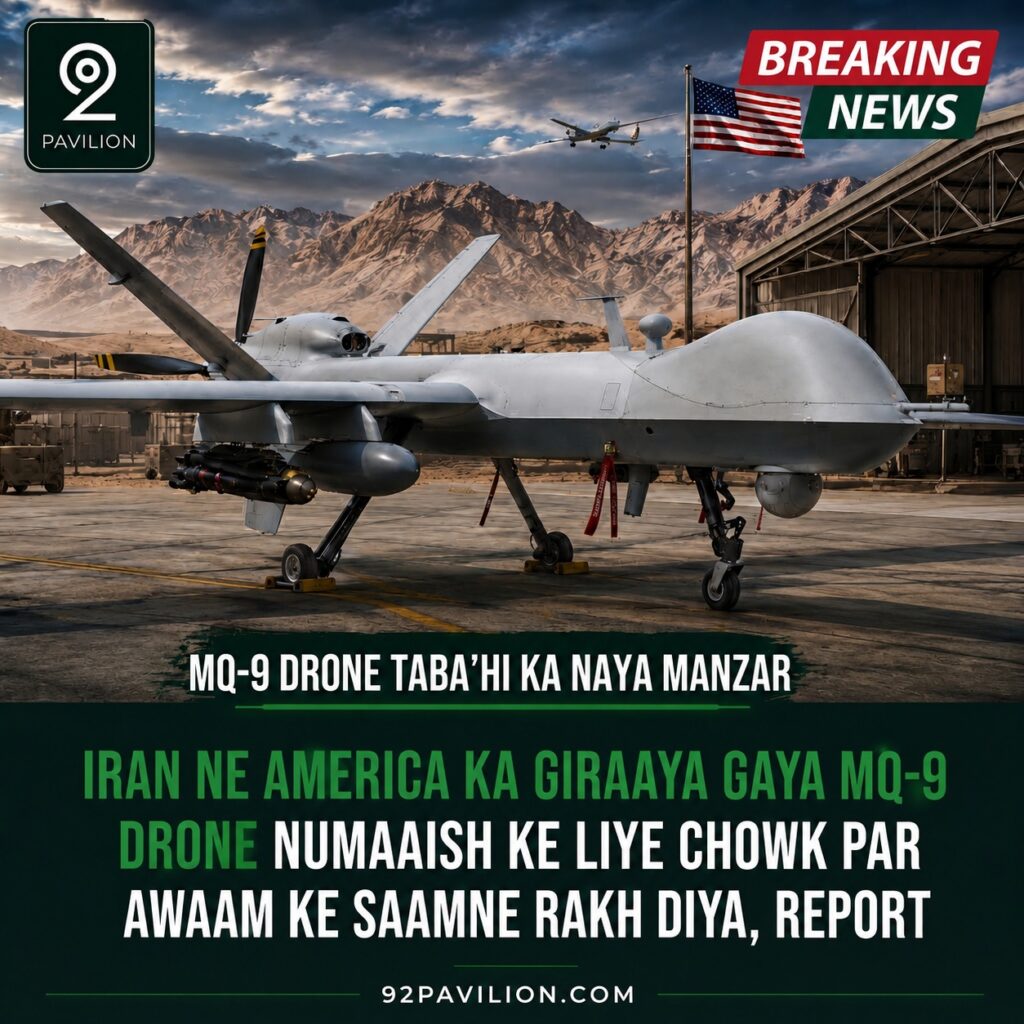
Quick Answer: Iran’s Islamic Revolutionary Guard Corps (IRGC) has showcased wreckage it says belongs to downed US MQ-9 Reaper drones, an Israeli Hermes 900 UAV, and components from a US F-15E fighter jet, as part of an exhibition highlighting its claimed successes against American and Israeli aircraft. The display comes amid fresh drone shootdowns reported this week over central Iran, underscoring continuing hostilities in the region.
What Iran Is Showing
According to Iranian state media, including Mehr News Agency and IRIB, the IRGC Aerospace Force released photographs and video of wreckage it attributes to a US F-15E Strike Eagle, several MQ-9 Reaper drones, and an Israeli Hermes 900 UAV recovered during recent operations. The material was displayed at an underground exhibition inside an IRGC facility.
Iranian officials said the MQ-9 Reaper and Hermes 900 aircraft were recovered largely intact after being intercepted by Iran’s air defence systems, including a system they identified as Arashe Kamangir. The exhibition also reportedly includes wreckage Iran links to roughly 30 MQ-9 Reapers it claims to have downed since the start of recent hostilities, though that total has not been independently verified.
A Fresh Shootdown This Week
The exhibition comes just days after Iranian forces reportedly shot down another American MQ-9 Reaper drone over the central Iranian city of Khomein, in Markazi province, according to Iran’s semi-official Tasnim news agency. The report followed the US Central Command’s announcement that American forces had begun striking targets linked to the IRGC inside Iran, pointing to a fresh escalation in the standoff between Tehran and Washington.
Background on the Ongoing Conflict
Tensions between Iran and the United States have remained elevated since fighting broke out earlier this year, with a framework agreement reached in June through Pakistani and Qatari mediation. The US later launched a two-week bombing campaign in July and reimposed a naval blockade following disputes over navigation rights in the Strait of Hormuz, a vital corridor for global oil shipments.
Since then, both sides have reported repeated air engagements, with Iran regularly publicising claimed drone and aircraft losses as evidence of its air defence capabilities, while US officials have offered limited public confirmation of individual incidents.
Why Iran Publicises These Displays
Analysts note that publicly showcasing captured or downed enemy hardware serves multiple purposes for Iran, including boosting domestic morale, shaping regional perceptions of its military capability, and pressuring adversaries to respond to its loss narratives. Iranian engineers are expected to examine recovered drone components, including sensors, datalinks, and flight systems, in an effort to study Western technology.
Independent verification of exhibited wreckage remains difficult without direct inspection, serial number authentication, and access to official loss records, meaning some of Iran’s claims about the scale of downed aircraft cannot currently be confirmed by outside observers.
Regional and Global Implications
The continuing exchanges over the Strait of Hormuz carry significant implications for global energy markets, given the strait’s role as a major transit route for oil shipments. Analysts continue to monitor the situation for signs of further escalation or a return to the framework agreement reached earlier this year.
Frequently Asked Questions
What aircraft has Iran displayed as war trophies?
Iran has showcased wreckage it attributes to US MQ-9 Reaper drones, an Israeli Hermes 900 UAV, and components from a US F-15E fighter jet.
Has the US confirmed these losses?
US officials have offered limited public confirmation of individual incidents, and Iran’s total claimed losses remain independently unverified.
What triggered the latest escalation?
Fresh strikes by US forces on IRGC-linked targets inside Iran preceded a reported drone shootdown near Khomein in Markazi province.
Why does the Strait of Hormuz matter in this conflict?
It is a critical corridor for global oil shipments, and disruptions or naval blockades in the strait can significantly affect international energy markets.
This report is based on statements from Iran’s IRGC Aerospace Force and state media, with reporting from Al Mayadeen English, Middle East Monitor, Eurasian Times, and The Defense News.
92Pavilion brings you timely, verified updates from around the world. Stay with us for continued coverage.