
By: 92Pavilion | Updated: September 3, 2026
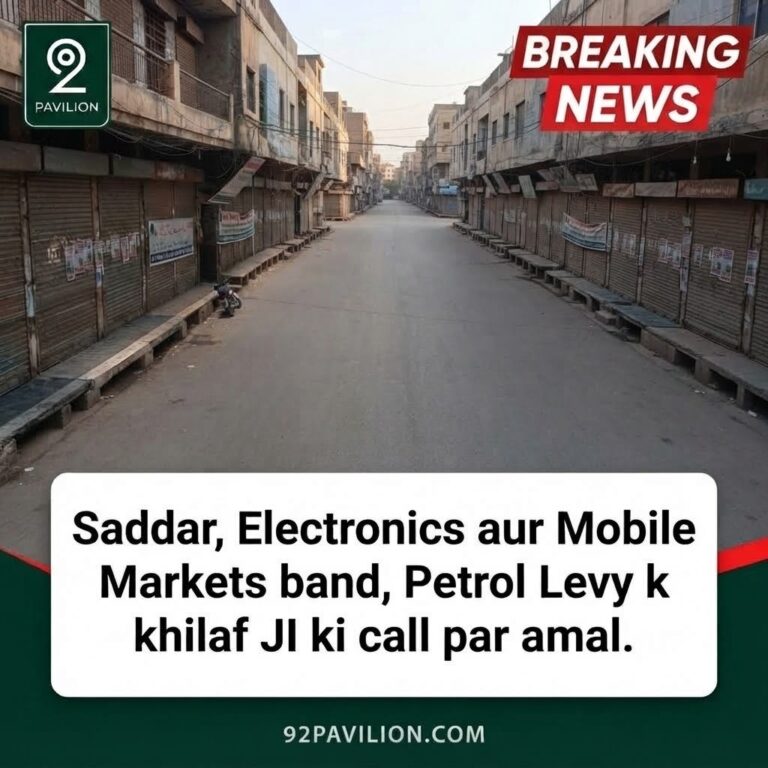
Quick Answer: Karachi’s Saddar area, home to the city’s major electronics and mobile phone markets, remained shut as traders observed a nationwide shutter-down strike called by Jamaat-e-Islami (JI) against the petroleum levy. The closures were part of a wider strike that affected commercial activity across Sindh and several other cities.
What Happened in Saddar
Shops across Saddar’s electronics and mobile phone markets, among Karachi’s busiest commercial hubs, stayed closed on the day of the strike as traders responded to JI’s call for a shutdown. The closures left normally crowded streets largely empty, a visible sign of how deeply the protest movement has affected day-to-day commerce in the city.
Saddar is one of several major commercial districts in Karachi that were affected by JI’s strike call, alongside similar closures reported in other parts of the city and province.
The Broader Strike Movement
The Saddar shutdown formed part of a nationwide campaign by Jamaat-e-Islami against the government’s petroleum levy, inflation, and unemployment. The party has organised sit-ins, rallies, and shutter-down strikes across multiple cities for weeks, arguing that repeated increases in the levy have placed an unsustainable burden on ordinary citizens.
JI chief Hafiz Naeem ur Rehman has said the protest campaign would continue until the government agreed to abolish the levy entirely, describing it as a policy that squeezes revenue out of the public while shielding the country’s ruling elite from the same financial pressure.
Impact on Traders and Commerce
Trader associations in Karachi and other cities have broadly supported the strike, with many voluntarily keeping their shutters down in solidarity with JI’s demands. The Karachi Traffic Police separately issued advisories warning of disruptions across the city due to expected rallies and gatherings, affecting routes including Saddar, Shahrah-e-Faisal, Shahrah-e-Pakistan, and several other major roads.
For businesses in markets like Saddar’s electronics and mobile hubs, repeated strike days translate into direct financial losses, adding another layer of pressure on an already strained retail sector grappling with inflation and reduced consumer spending.
Government’s Response
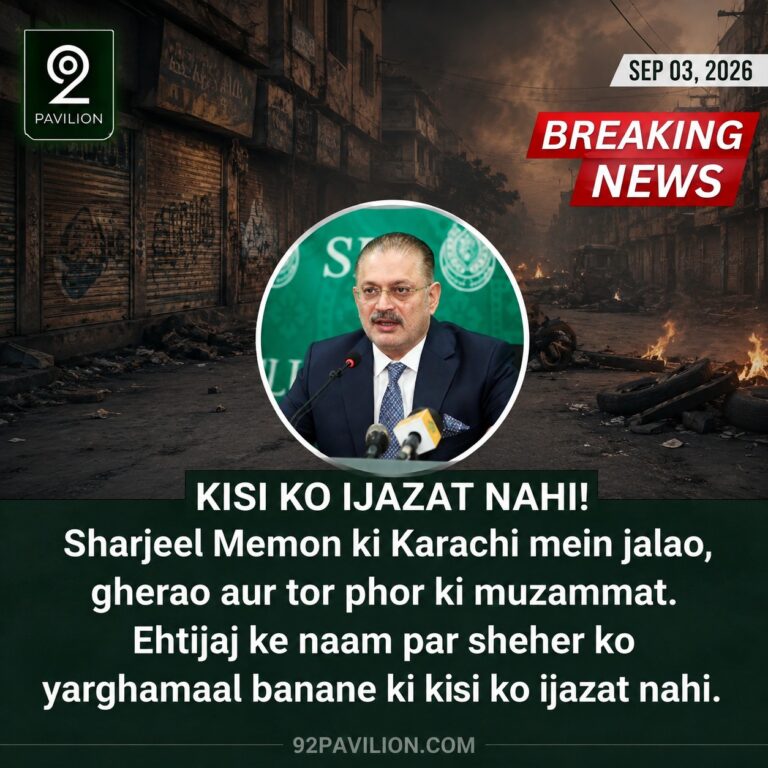
Sindh authorities have said they respect the right to peaceful protest but have pushed back against any vandalism or property damage linked to the demonstrations, with Sindh Senior Minister Sharjeel Memon warning that no one would be allowed to disrupt Karachi’s peace under the cover of protest.
What Happens Next
With JI signalling that its campaign will continue and potentially escalate if the government does not respond to its demands, traders in markets like Saddar may face further disruptions in the weeks ahead. The outcome of ongoing negotiations, if any, between JI and the federal government is likely to determine whether such strikes become a regular feature of Karachi’s commercial calendar.
Frequently Asked Questions
Why were Saddar’s markets closed?
Traders observed a shutter-down strike called by Jamaat-e-Islami against the government’s petroleum levy.
What is JI demanding?
The party wants the petroleum levy withdrawn entirely, arguing it has driven up prices and burdened ordinary citizens.
Were other areas of Karachi affected too?
Yes, closures and traffic disruptions were reported across multiple parts of the city, including major roads and commercial districts.
How long will the protest campaign continue?
JI leadership has said the campaign will continue until the government agrees to abolish the levy, with further strikes possible.
This report is based on JI’s strike announcements and Karachi Traffic Police advisories, with reporting from Aaj English, Business Recorder, and Shafaqna Pakistan.
92Pavilion brings you the latest on Pakistan’s economy and trade. Stay with us for continued coverage.