
By: 92Pavilion | Updated: August 22, 2026
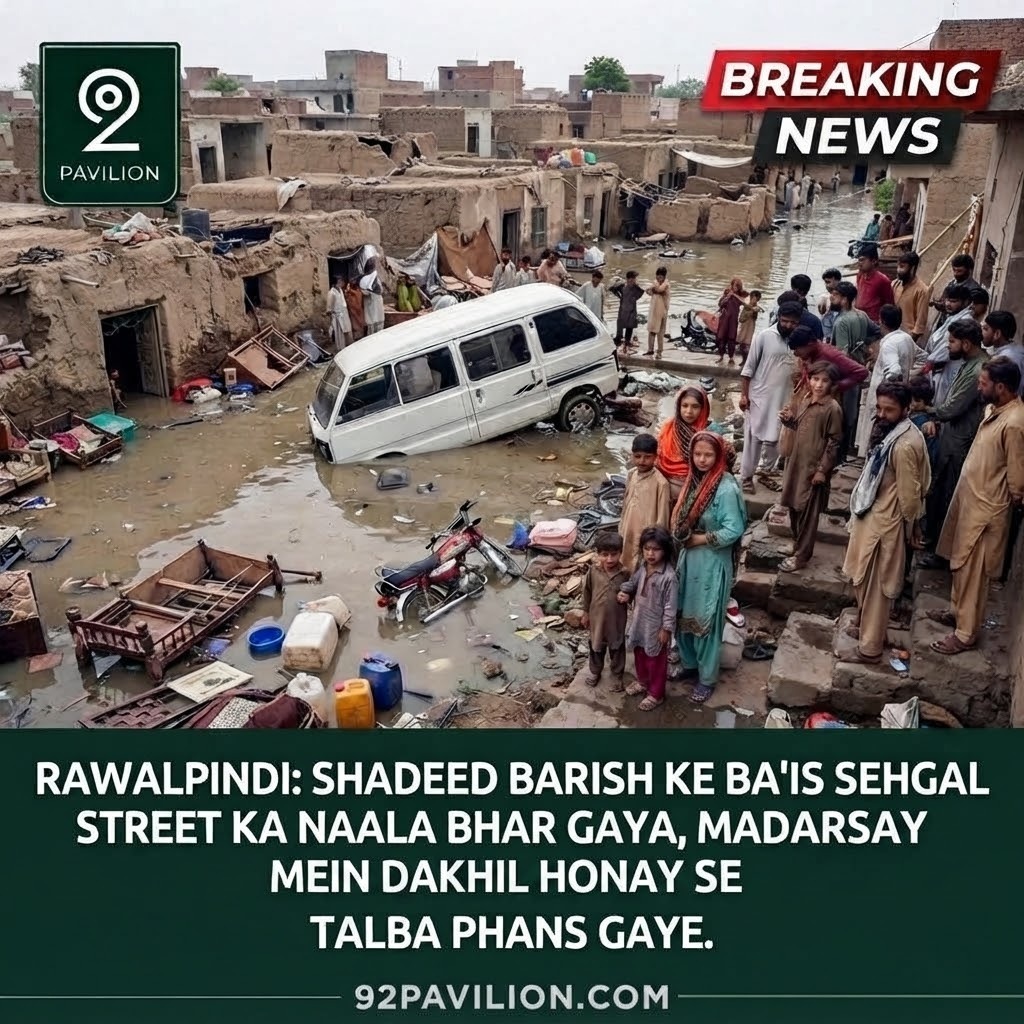
Quick Answer: Emergency teams safely evacuated 150 students from a flooded seminary in Rawalpindi’s Saddar area after heavy monsoon rain sent water surging into two campus buildings. Officials confirmed no casualties or injuries, as the rescue formed part of a wider response to severe urban flooding across the twin cities of Rawalpindi and Islamabad.
How the Rescue Unfolded
According to the Punjab Emergency Services Department, rainwater entered two campuses of a madrasa in Saddar, with roughly 400 students present in the main building and 150 in the affected structure at the time. A rescue spokesperson said teams swiftly moved all 150 students from the flooded section into the main building, confirming there were no casualties or injuries in the incident.
Officials said water levels in the affected area steadily receded afterward, and the situation returned to normal under continuous supervision from rescue personnel stationed on site.
Part of Wider Flooding Across the Twin Cities
The madrasa flooding came amid a broader spell of torrential rain that disrupted normal life across Rawalpindi and Islamabad. Rainfall exceeding 200 millimetres was recorded in parts of Rawalpindi, triggering a sharp rise in the water level of Nullah Lai, the seasonal stream that runs through the city and is a frequent source of urban flooding during monsoon season.
The Flood Control Room reported the water level at Katarian crossing 29 feet at one point, while Gawalmandi Bridge recorded 23.5 feet, prompting authorities to sound warning sirens and issue evacuation orders for residents in low-lying settlements along the stream’s banks.
Areas Worst Affected
Several neighbourhoods across Rawalpindi bore the brunt of the flooding, including Raja Bazaar, Ganj Mandi, Pirwadhai, Gawalmandi, Murree Road, Sadiqabad, Shamsabad, Dhok Khabba, and Kuri Road, among others. Floodwater entered homes and shops in these areas, damaging furniture, appliances, and merchandise, while vehicles were left stranded on submerged roads.
The Rawalpindi district administration announced a local holiday for educational institutions as the rain intensified, and WASA officials worked to clear debris from drainage channels to help water flow more freely through Nullah Lai.
Rescue 1122’s Wider Response
Beyond the madrasa evacuation, Rescue 1122 carried out multiple rescue operations across the city, pulling stranded residents from vehicles and low-lying homes near the swollen stream. Emergency officials repeatedly urged residents to avoid unnecessary travel, stay away from storm-water drains and electricity poles, and contact the Rescue 1122 helpline in case of emergencies.
What Authorities Are Saying
The Pakistan Meteorological Department has warned that continued rainfall could trigger further urban flooding in low-lying areas of Islamabad and Rawalpindi, along with other cities including Gujranwala, Gujrat, and Sialkot. Officials have urged residents in vulnerable areas to remain alert and follow evacuation guidance during ongoing spells of heavy rain.
Frequently Asked Questions
How many madrasa students were evacuated in Rawalpindi?
Rescue 1122 evacuated 150 students from a flooded section of the seminary to the main building, with no casualties reported.
What caused the flooding in Rawalpindi?
Heavy monsoon rain caused a sharp rise in Nullah Lai’s water level, leading to widespread urban flooding across the city.
Which areas of Rawalpindi were most affected?
Raja Bazaar, Ganj Mandi, Pirwadhai, Gawalmandi, Murree Road, Sadiqabad, and several other neighbourhoods saw significant flooding.
Were schools closed because of the flooding?
Yes, the Rawalpindi district administration announced a local holiday for educational institutions as rainfall intensified.
This report is based on statements from the Punjab Emergency Services Department (Rescue 1122) and the Associated Press of Pakistan, with additional reporting from Dawn, The Express Tribune, Geo News, and The News.
92Pavilion brings you timely, verified updates on Pakistan and the region. Stay with us for continued coverage.