
By: 92 Pavilion | Updated: August 28, 2026
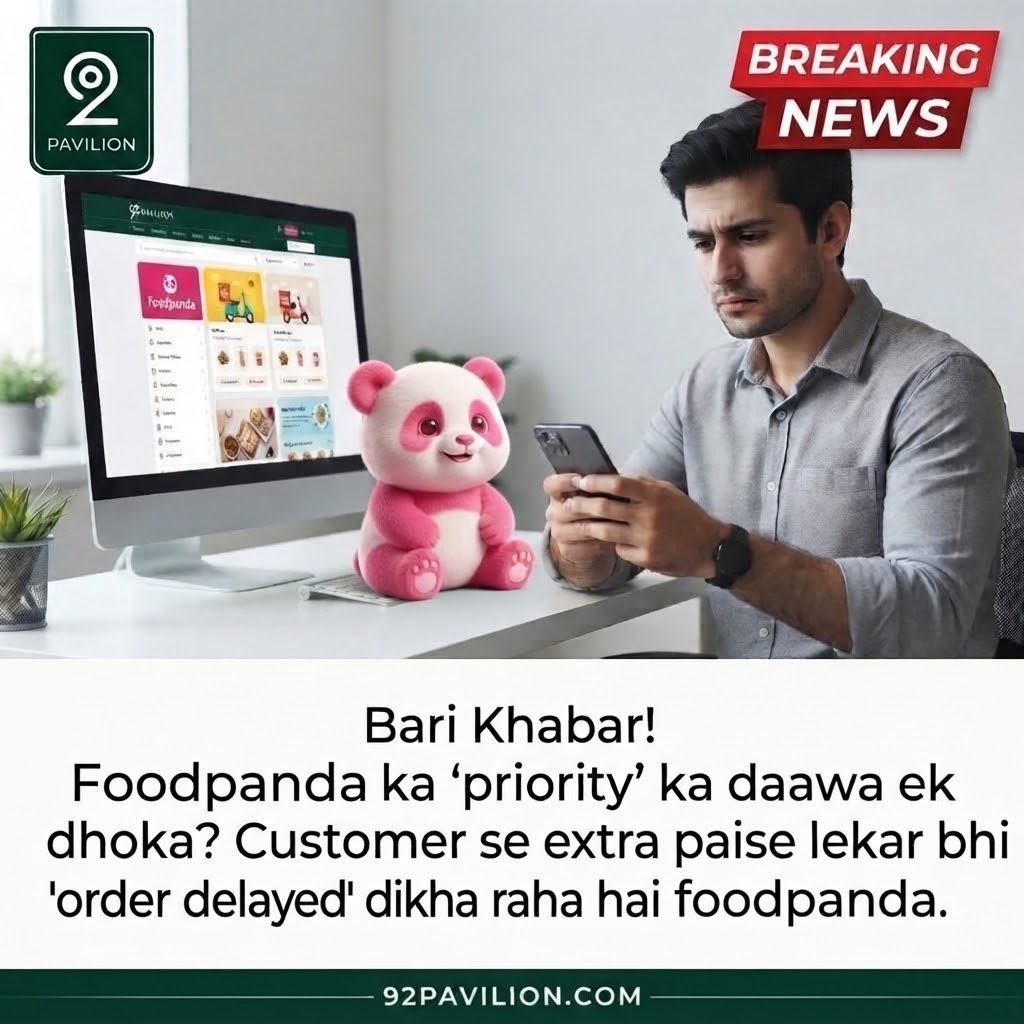
Quick Answer: Foodpanda Pakistan continues to face a steady stream of customer complaints over delivery delays, refund disputes, and unresponsive support, according to consumer review platforms. Data from PissedConsumer shows the platform holding a 1.7-star rating from more than 1,100 reviews, with recurring issues around late deliveries, overcharging, and slow refund processing. The company has not issued a public response to the specific pattern of complaints documented across review sites.
A Pattern of Recurring Complaints
Foodpanda, Pakistan’s largest food delivery platform, has built its business on promises of fast, reliable delivery. But a review of consumer feedback on independent platforms suggests a persistent gap between that promise and customer experience. According to PissedConsumer, Foodpanda Pakistan holds a 1.7 out of 5 star rating based on more than 1,100 reviews, with only 21 percent of reviewers saying they would recommend the service.
The platform’s own review data cites recurring issues including missing items, late or spoiled deliveries, overcharging, and delays in processing refunds, alongside complaints about difficulty reaching customer service representatives when problems arise.
What Customers Are Reporting
On Trustpilot, several recent reviewers describe orders arriving cold or in poor condition, with riders left to bear the brunt of customer frustration due to a lack of clear support channels. One reviewer described waiting nearly an hour for an order placed at 15:47, only to find no straightforward way to reach a customer service representative through the app.
Other complaints on record describe duplicate charges for cancelled or failed orders, delayed refunds stretching over a week or more, and difficulty getting a response after submitting formal complaints through the platform’s help centre.
The Commission Question
Beyond service complaints from customers, Foodpanda has also faced criticism from restaurant partners over its commission structure. Industry sources indicate Foodpanda charges Pakistani restaurants between 25 and 35 percent commission per order, a rate restaurant owners say puts significant pressure on already thin margins, particularly for smaller, independent establishments.
This isn’t a new tension. A group of Karachi restaurants publicly boycotted Foodpanda in 2020 after commission rates reportedly jumped from 18 percent to 35 percent on some accounts, a dispute that made national headlines at the time and remains a reference point for restaurant owners discussing the platform’s fee structure today.
Why This Matters for Pakistani Consumers
Food delivery apps have become deeply embedded in daily life across Pakistan’s major cities, with millions relying on platforms like Foodpanda for convenience, particularly during busy work hours or bad weather. When delivery promises go unmet, whether through delays, quality issues, or refund disputes, the impact falls unevenly: customers lose money and time, while delivery riders are often left facing frustrated customers with limited support from the platform itself.
What Foodpanda Offers as Recourse
Foodpanda Pakistan lists multiple official contact channels for customer complaints, including a dedicated support line and separate email addresses for general support, partner queries, and press inquiries. However, several reviewers on both Trustpilot and PissedConsumer describe difficulty getting timely responses through these official channels, even when following the stated complaint process.
Frequently Asked Questions
What is Foodpanda Pakistan’s current customer rating?
According to PissedConsumer, the platform holds a 1.7 out of 5 star rating based on over 1,100 reviews, with 83 percent describing an unfavourable experience.
What are the most common complaints against Foodpanda?
Recurring complaints include late or cold deliveries, missing items, overcharging, and delays in refund processing.
How much commission does Foodpanda charge restaurants?
Industry sources put the rate between 25 and 35 percent per order, depending on the restaurant’s plan and whether it opts into premium placement.
Has Foodpanda responded to these complaints publicly?
As of this report, Foodpanda has not issued a public statement addressing the broader pattern of complaints documented across consumer review platforms.