
By; News Desk 92Pavilion
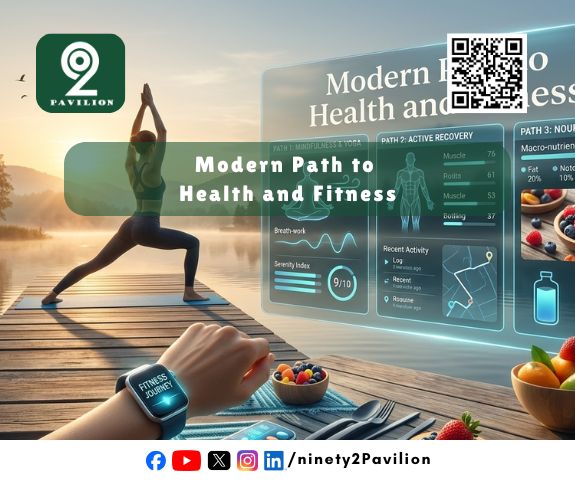
The pursuit of health and fitness has shifted from a series of grueling chores to a sophisticated, integrated lifestyle. We have moved past the era of “no pain, no gain” and entered a period defined by Bio-Synergy—the understanding that physical movement, nutritional precision, and mental recovery are three gears of the same engine. This modern path is no longer about chasing an impossible aesthetic; it is a data-informed journey toward “Healthspan,” focusing on living better for longer. By aligning our daily habits with the latest science of 2026, we can transform the pursuit of wellness from a fleeting resolution into a resilient, lifelong foundation.
The physical component of this path is grounded in the “Consistency Over Complexity” movement. In early 2026, landmark updates to global exercise guidelines emphasized that for the average adult, the most significant health gains come from simply transitioning from a sedentary state to any form of regular resistance training. The goal remains at least 150 to 300 minutes of moderate aerobic activity per week, but there is a renewed urgency around muscle-strengthening activities. Strengthening all major muscle groups at least twice a week is now recognized as a primary defense against metabolic decline and cognitive aging. Whether through traditional weightlifting, aquatic HIIT, or bodyweight drills, the secret lies in the ritual of movement rather than the intensity of a single session.
Technology acts as the compass on this path, with Wearable Technology and AI-driven personalization ranking as the top global fitness trends of 2026. Roughly 44% of adults now use biosensors to track not just steps, but Heart Rate Variability (HRV) and sleep quality. This shift toward “Hyper-Personalized Training” allows individuals to listen to their bodies with mathematical precision, knowing exactly when to push for a vigorous workout and when to prioritize active recovery. In 2026, we treat rest not as a break from training, but as a vital part of it. Tools like infrared saunas, cold plunges, and neurofeedback platforms are now mainstream features of a balanced fitness routine, helping to regulate the nervous system and prevent the burnout that once derailed so many health journeys.
Nutritionally, the path in 2026 is defined by Nutrition Equity and the “Anti-Inflammatory Kitchen.” We have moved away from restrictive dieting toward heart-healthy patterns that emphasize whole grains, plant-based proteins, and fiber-rich vegetables. The focus is on “Precision Nutrition,” where real-time monitoring of gut health and glucose levels helps individuals tailor their intake to their specific metabolic needs. By reducing ultra-processed foods and added sugars, we provide the body with the clean fuel required for both physical performance and cognitive clarity. Ultimately, the path to health and fitness is a holistic endeavor. It is a commitment to moving with purpose, eating with intention, and recovering with care, ensuring that every step taken is a step toward a more vibrant and enduring future